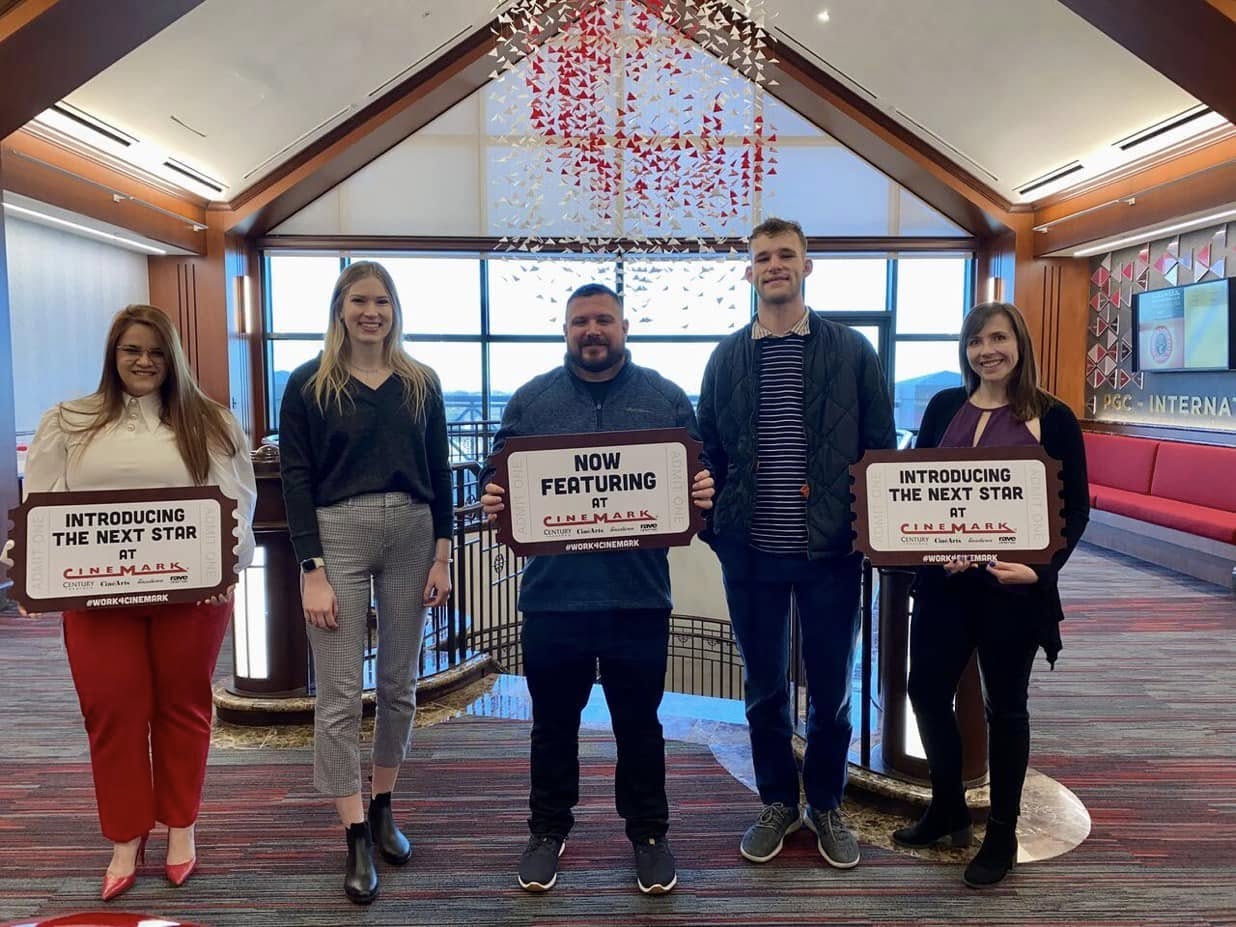
The first real test of a brand promise might happen before a guest ever walks through the door. It happens when a new employee arrives for a first shift and discovers whether the organization is as thoughtful with its own people as it asks those people to be with guests.
Hospitality and attractions leaders spend enormous energy designing first impressions for customers. We think about arrival, welcome, wayfinding, comfort, and what someone needs to feel confident. Then we sometimes give a new team member a login that does not work, an unclear schedule, and three versions of the same instruction. Apparently, the employee experience was supposed to run on enthusiasm alone.
Working across cinemas, attractions, and entertainment has shown me that onboarding is more than training. It is the first experience we design for the person who will eventually deliver our experience to everyone else.
The employee meets the real organization, not the recruiting pitch
Recruiting tells someone what the organization values. Onboarding shows them how those values behave on a Tuesday morning when people are busy.
Does the team know a new person is coming? Is there someone ready to greet them? Does the first-day plan make sense? Can the employee ask where to go without feeling foolish? If the answer is no, that new colleague has already learned something about the culture. It may not be what the welcome presentation intended.
A thoughtful arrival need not be elaborate. A confirmed start time, a prepared workspace, a named point of contact, and a supervisor who is actually expecting the person communicate more than a polished slide deck ever will.
Design the arrival before you design the training
Think about how a good attraction or resort prepares a guest for the day. Useful information arrives before confusion becomes unavoidable. Onboarding deserves the same discipline.
- Before day one: Confirm the location, parking or entry instructions, dress expectations, required documents, and who to contact if something changes.
- At arrival: Have the access, equipment, schedule, and introductions ready. Do not make someone spend the first hour proving they belong there.
- During the first shift: Explain what success looks like today, which tasks are safe to practice, and where help is available.
- Before they leave: Confirm the next shift, answer questions, and ask what still feels unclear.
None of this requires a large budget. It does require ownership. If five departments each assume another department is handling the welcome, the employee becomes the project manager of their own first day.
Teach the experience behind the task
New employees need to know how to complete the work. They also deserve to know why the work matters.
Consider a hypothetical guest-services scenario. A team member learns how to direct someone to an attraction entrance. That is the task. But the actual experience includes noticing when the guest looks uncertain, adjusting the explanation for accessibility needs, and knowing what to do when the planned route changes. The operational instructions and the human judgment belong in the same training conversation.
A trainer can ask: What is the guest trying to accomplish? What could make this interaction confusing? Which promises can we make confidently? At what point should a supervisor take over? The employee begins to understand the purpose behind the procedure rather than simply memorizing the sequence.
That approach matters in a cinema, a hotel, a theme park, a restaurant, or a community event. The environment changes, but the principle does not: people deliver better experiences when they understand both the standard and the reason for it.
Make asking for help part of the standard
Every new hire has questions. The culture question is whether asking them feels safe.
A manager who says, “My door is always open,” has made an invitation. A manager who actually pauses, answers patiently, and follows through has built a little trust. Those are different things.
Give each new teammate a reliable person to ask, but do not make one friendly coworker responsible for an entire onboarding program. Define the supervisor’s role, the trainer’s role, and the point at which an issue needs escalation. Make it clear that reporting uncertainty early is useful information, not a confession of incompetence.
The goal is not to eliminate mistakes through intimidation. It is to spot misunderstandings while they are small enough to correct without putting a guest, employee, or operation in a difficult position.
Practice the moments when the script stops working
Many organizations train the ideal day and assume employees will improvise the complicated one.
Give people realistic practice with an unavailable service, a delayed opening, a frustrated customer, a conflicting instruction, or an accessibility question. Explain what they can resolve, what must be escalated, and what should never be improvised. Safety and legal requirements always follow the operation’s actual policies.
Then rehearse the handoff. What information should travel with the guest? Who owns the next step? How does the employee avoid promising something the receiving team cannot provide?
Confidence is not the same as having an answer for everything. Sometimes confidence is knowing exactly how to get the right answer without making the person in front of you feel like a problem.
Measure readiness after the welcome signs come down
A completed checklist tells us training happened. It does not automatically tell us that the person feels prepared to do the work.
At the end of week one and again after the employee has had time to work independently, ask three questions: Which situations do you feel ready to handle? Where are you still guessing? What did we tell you that turned out to work differently in practice?
Listen for patterns. If several new hires are confused by the same handoff, the training may need to change. If people understand the steps but cannot explain who owns a difficult decision, the operating standard may need to change. If everyone says they are fine in front of a supervisor but raises concerns privately, the feedback process may need to change.
Measure what can actually inform a better experience: clarity of expectations, access to help, successful practice, common questions, and whether employees can explain the service promise in their own words. Review retention and guest feedback alongside those early signals.
The culture you want guests to feel starts here
In Chasing Magic: How Experience Changes Lives and Shapes Leaders, I return to a belief that sits at the center of how I think about leadership: you cannot create magic with a team that feels invisible. A first shift is one of the earliest opportunities to demonstrate that a person is seen, expected, equipped, and worth investing in.
We will always need policies, training materials, and performance standards. But the best onboarding does something more. It lets a new employee experience the kind of care, clarity, and confidence we hope they will one day extend to a guest.
For related thinking, explore more Chasing Magic Insights, learn about my consulting and workshops, or discover the leadership ideas behind Chasing Magic.
Before asking new employees to deliver your brand promise, make sure their first shift allows them to experience it.
Leadership gets practical when the idea can survive the next shift.
Explore more essays on guest experience, operations leadership, employee experience, and the everyday decisions that shape how people feel.
Browse all Insights